
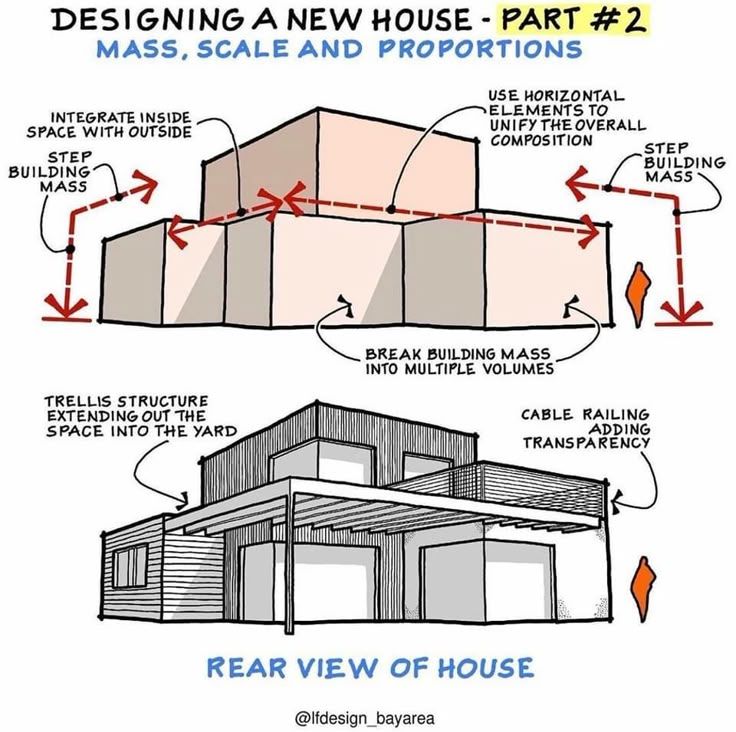
Building a new house is one of the most significant investments a person or family will ever make. Unlike purchasing an existing property, new construction offers complete control over design, materials, and functionality. However, that control comes with responsibility. A successful build requires careful planning, disciplined execution, and coordination among numerous professionals. This guide outlines the essential steps to building a new house, presented in a logical sequence that minimizes risk and maximizes value.
Step 1: Define Your Vision and Budget
Before contacting architects or builders, establish a clear picture of what you want and what you can afford. These two elements must align early; otherwise, the project risks costly revisions later.
- Determine your needs: Consider family size, lifestyle, work-from-home requirements, and future plans.
- Set a realistic budget: Include land acquisition, design fees, permits, construction, landscaping, and a contingency fund of 10–20 percent.
- Research financing: Explore construction loans, which differ from standard mortgages in their disbursement structure.
A well-defined vision and budget serve as the foundation for every decision that follows.
Step 2: Secure the Right Land
The building site influences everything from construction cost to long-term livability. Evaluate potential lots with the same rigor you would apply to the house itself.
Skipping due diligence at this stage is one of the most common and expensive mistakes in residential construction.
Step 3: Assemble Your Professional Team
New construction is a collaborative effort. The quality of your team directly affects the quality of your home. Key members typically include:
- Architect or designer: Translates your vision into buildable plans.
- General contractor: Manages the schedule, budget, and subcontractors.
- Structural engineer: Ensures the design is structurally sound.
- Surveyor and land-use consultant: Handles site documentation and regulatory compliance.
Interview multiple candidates, review past projects, and verify licenses and insurance before signing any agreement.
Step 4: Design and Obtain Permits
Once the team is in place, the design phase begins in earnest. Expect an iterative process: schematic designs, revisions, and detailed construction documents.
| Schematic design | Concept drawings, floor plans | 4–8 weeks |
| Design development | Refined plans, material selections | 6–10 weeks |
| Construction documents | Detailed blueprints, specifications | 6–12 weeks |
| Permitting | Approved building permits | 4–12 weeks |
After finalizing the plans, submit them for building permits. Do not begin construction before all approvals are in hand; doing so can result in fines, stop-work orders, or forced demolition.
Step 5: Establish a Construction Contract and Schedule
A detailed contract protects both parties. It should specify the scope of work, payment schedule, timeline, change-order procedures, and warranty terms. Review it with a legal professional if possible.
Alongside the contract, develop a construction schedule with clear milestones. Common phases include:
Step 6: Manage Construction Actively
Even with a trusted contractor, active oversight is essential. Schedule regular site visits, review progress against the schedule, and document everything. Maintain a contingency reserve for unforeseen issues, which are nearly inevitable in new construction.
Step 7: Final Inspection and Handover
Before moving in, conduct a thorough walkthrough. Verify that all work meets the contract specifications and that inspections have been passed. Obtain all warranties, manuals, and as-built drawings. Address any punch-list items before final payment.
Conclusion
Building a new house is a complex undertaking, but a disciplined, step-by-step approach reduces risk and delivers a home that meets both your needs and your budget. From defining your vision to the final walkthrough, each stage deserves careful attention. With the right team and a structured plan, your new home can be a lasting success.