
Plumbing systems are among the most heavily used—and most frequently overlooked—components of any property. When they function correctly, they are invisible. When they fail, they can cause thousands of dollars in water damage, disrupt daily operations, and create serious health hazards. Understanding the most common plumbing problems and implementing proactive prevention strategies is essential for homeowners, property managers, and facility operators alike. This guide examines the leading causes of plumbing failures and provides actionable measures to keep your system running reliably.
Why Plumbing Problems Are So Costly
According to industry estimates, undetected leaks alone account for trillions of gallons of wasted water annually in the United States. Beyond waste, the financial exposure is significant: water damage and mold remediation frequently rank among the most expensive categories of property insurance claims. The core challenge is that most plumbing infrastructure operates behind walls, beneath floors, and underground—meaning small issues often escalate undetected until they become emergencies. Prevention is not merely cheaper than repair; it is the only reliable strategy for long-term system integrity.
The Most Common Plumbing Problems
1. Leaking Faucets and Fixtures
A dripping faucet is the most familiar plumbing complaint, yet it is often ignored. A single steady drip can waste thousands of gallons per year and frequently signals a worn washer, corroded valve seat, or failing cartridge. Left unaddressed, leaks can damage cabinetry, promote mold growth, and escalate into pipe failures.
2. Clogged Drains
Hair, grease, soap residue, and foreign objects accumulate over time and restrict flow. Kitchen drains are especially vulnerable to grease buildup, while bathroom drains commonly suffer from hair and product residue. Chemical drain cleaners offer short-term relief but can corrode pipes and compound the underlying problem.
3. Running Toilets
A toilet that runs continuously is typically the result of a faulty flapper valve or fill valve. This issue can waste hundreds of gallons of water daily—often silently. It is one of the easiest problems to identify and correct, making it a priority for any preventive maintenance program.
4. Low Water Pressure
Reduced pressure across multiple fixtures usually points to sediment accumulation, a failing pressure regulator, or a partial blockage in the supply line. When isolated to a single fixture, the cause is often a clogged aerator or cartridge.
5. Water Heater Failures
Sediment buildup, corrosion, and worn heating elements reduce efficiency and eventually cause failure. Annual flushing and anode rod inspection can substantially extend equipment lifespan.
6. Burst or Frozen Pipes
Freezing temperatures cause water to expand, fracturing pipes that then release hundreds of gallons when temperatures rise. Burst pipes represent the most severe category of plumbing emergency and are almost entirely preventable through insulation and temperature management.
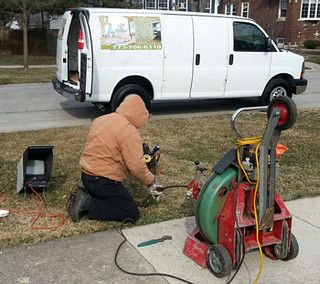
7. Sewer Line Blockages
Tree root intrusion, grease accumulation, and structural degradation of aging pipes can obstruct the main sewer line. Symptoms include multiple slow drains, gurgling fixtures, and sewage odors. Sewer issues require professional inspection and should never be ignored.
| Leaking fixtures | Worn washers, cartridges | Routine inspection and timely part replacement |
| Clogged drains | Grease, hair, debris | Drain screens and proper disposal habits |
| Running toilet | Faulty flapper or fill valve | Annual valve inspection |
| Frozen pipes | Insufficient insulation | Pipe insulation and freeze protection |
| Sewer blockage | Root intrusion, buildup | Annual camera inspection |
How to Prevent Plumbing Problems
Effective prevention combines disciplined daily habits with scheduled professional maintenance. The following measures address the root causes of most failures:
- Inspect visible plumbing regularly. Check under sinks, around supply lines, and near appliances for moisture, corrosion, or discoloration.
- Use drain screens and mindful disposal. Never pour grease down drains; dispose of it in sealed containers. Use strainers in sinks and tubs.
- Test toilets and shut-off valves. Confirm that toilet valves seal properly and that main and fixture shut-off valves operate smoothly.
- Insulate exposed pipes. Pipe insulation in unconditioned spaces prevents freezing and reduces condensation.
- Flush the water heater annually. Remove sediment to protect efficiency and extend service life.
- Schedule professional inspections. An annual inspection, including camera assessment of the sewer line, identifies problems while they remain inexpensive to resolve.
A Proactive Maintenance Schedule
Consistency matters more than intensity. The following cadence provides a practical framework:
Conclusion
Most plumbing emergencies are not sudden events—they are the endpoint of neglected warning signs. Leaks, clogs, and failing fixtures communicate their condition long before catastrophic failure occurs. By understanding common failure points and committing to a structured prevention plan, property owners and managers can reduce costs, conserve water, and avoid the disruption of major plumbing failures. The most reliable plumbing system is the one that is actively maintained. When prevention becomes routine, emergencies become rare.