
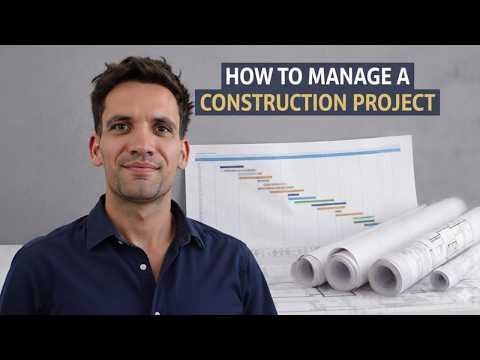
Commercial construction is one of the most complex undertakings in modern industry. A single project can involve hundreds of stakeholders, thousands of moving parts, and budgets that rival the annual revenue of mid-sized companies. Yet the most successful builds share one common trait: disciplined planning and rigorous project management from day one. In this guide, we break down how commercial construction projects move from concept to completion—and the technical frameworks that keep them on track.
The Pre-Construction Phase: Where Projects Are Won or Lost
Industry data consistently shows that the decisions made before ground is ever broken determine the fate of a project. The pre-construction phase is where feasibility, design, and financial alignment converge.
1. Project Initiation and Feasibility Analysis
Every commercial build begins with a clear-eyed assessment of what is possible. Owners and developers work with architects, engineers, and construction managers to evaluate:
- Site viability — zoning classifications, environmental constraints, soil conditions, and utility access
- Budget parameters — hard costs, soft costs, contingency reserves, and financing structures
- Regulatory requirements — permits, building codes, environmental reviews, and occupancy certifications
- Schedule expectations — target delivery dates, phasing requirements, and market timing
A rigorous feasibility study prevents costly surprises later. Skipping this step is one of the most common—and expensive—mistakes in commercial development.
2. Design Development and BIM Coordination
Modern commercial projects rely heavily on Building Information Modeling (BIM) to detect clashes, optimize systems, and align design intent with constructability. Architects, structural engineers, and MEP (mechanical, electrical, plumbing) consultants collaborate in a shared digital environment, reducing change orders before they occur.
3. Procurement and Contracting Strategy
How a project is contracted shapes everything that follows. Owners typically choose among delivery methods such as design-bid-build, design-build, and Construction Manager at Risk (CMAR). Each affects risk allocation, schedule compression, and collaboration dynamics. Procurement planning also covers long-lead materials—steel, switchgear, elevators—that must be ordered early to protect the timeline.
Execution: Managing the Build
Once contracts are signed and permits secured, the project shifts to active delivery. This is where project management disciplines are tested daily.
Schedule Management and Critical Path Method
General contractors build and maintain detailed CPM schedules that map every activity, dependency, and milestone. Weekly look-aheads and earned value analysis help teams detect slippage early. Time is money in commercial construction—every day of delay carries real carrying costs.
Cost Control and Change Management
Budget discipline requires transparent reporting, committed-cost tracking, and a formal change order process. Best-practice teams use automated cost management platforms that flag variances in real time, ensuring owners see the financial picture clearly at every stage.
Quality Assurance and Safety Compliance
Commercial projects operate under strict OSHA regulations and contract-specified quality standards. Managers coordinate inspections, material testing, and punch lists while maintaining site safety programs that protect workers and mitigate liability.
Communication and Stakeholder Coordination
A commercial project might include the owner, architect, engineers, general contractor, dozens of subcontractors, lenders, and municipal inspectors. Effective project managers run structured communication cadences—RFI tracking, submittal logs, and coordination meetings—to keep every party aligned.
Key Phases at a Glance
| Pre-Construction | Feasibility, design, budgeting, permitting | Approved plans, permits, contracts |
| Procurement | Bidding, subcontractor selection, material orders | Signed subcontracts, procurement schedule |
| Construction | Site work, structural, MEP, finishes | Progress milestones, inspection records |
| Closeout | Commissioning, punch list, documentation | Certificate of occupancy, as-builts |
Closeout and Handover
The final phase is often underestimated. Commissioning verifies that all systems—HVAC, electrical, fire protection, building automation—perform as designed. Punch lists are resolved, as-built drawings and warranties are delivered, and the certificate of occupancy is issued. A structured closeout protects the owner’s investment and establishes accountability well after the ribbon cutting.
The Bottom Line
Commercial construction projects succeed when planning is thorough, communication is relentless, and project management is treated as a technical discipline rather than an administrative afterthought. From BIM coordination in pre-construction to earned value tracking during execution, the tools exist to deliver projects on time, on budget, and to specification. The organizations that master this lifecycle build more than structures—they build reputations.