
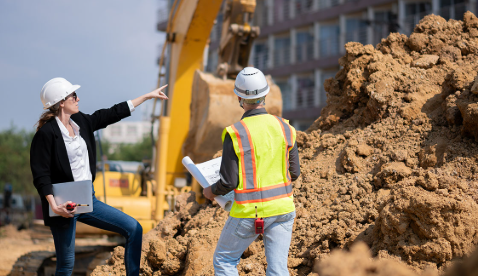
Commercial construction is one of the most complex undertakings in the built environment. Unlike residential builds, commercial projects must satisfy stringent regulatory standards, demanding client expectations, intricate scheduling requirements, and the constant pressure to control costs. Whether you are a project owner, developer, or contractor, understanding the most common challenges is the first step toward mitigating risk and delivering a successful project. This article examines the key obstacles that define modern commercial construction and outlines practical strategies for overcoming them.
1. Budget Overruns and Cost Management
Cost overruns remain the single most persistent challenge in commercial construction. Projects frequently exceed their initial budgets due to material price volatility, design changes, unforeseen site conditions, and labor shortages. The financial stakes are high, and even a modest overrun can erode profitability or strain client relationships.
Effective cost management requires more than a spreadsheet. It demands rigorous pre-construction planning, accurate quantity takeoffs, and contingency reserves that reflect real market conditions. Teams should also adopt transparent communication with stakeholders so that budget adjustments are understood and approved before they escalate.
Key Cost Risks to Monitor
- Material price fluctuations driven by supply chain disruptions
- Scope creep from late design changes or client requests
- Labor cost escalation in competitive trade markets
- Change orders that accumulate without proper documentation
2. Scheduling Delays and Coordination Failures
Time is money in commercial construction, and delays ripple through every phase of a project. Weather events, permitting bottlenecks, equipment lead times, and poor coordination among subcontractors can all push completion dates. When multiple trades are working in the same space, even a minor scheduling misstep can trigger cascading delays.
To combat this, project managers should rely on critical path scheduling, regular coordination meetings, and building information modeling (BIM) to visualize conflicts before they occur. Clear accountability and a shared schedule platform keep all parties aligned and reduce the likelihood of costly downtime.
3. Regulatory Compliance and Permitting
Commercial projects are subject to a dense framework of zoning laws, building codes, fire safety regulations, and environmental requirements. Navigating this landscape is time-consuming and unforgiving; a missed permit or code violation can halt work and invite penalties.
Engaging permitting consultants early, conducting thorough code reviews during design, and maintaining open dialogue with local authorities can streamline approvals. Compliance should be treated as a continuous process rather than a one-time checkpoint.
4. Supply Chain and Material Availability
Global supply chain instability has made material procurement a strategic challenge. Long lead times for structural steel, HVAC equipment, and specialty finishes can disrupt schedules and force costly substitutions. Contractors must build flexibility into procurement plans and cultivate relationships with multiple suppliers to avoid single points of failure.
5. Labor Shortages and Workforce Skills
The construction industry continues to face a shortage of skilled tradespeople. Finding qualified electricians, plumbers, welders, and equipment operators is increasingly difficult, and competition for talent drives up wages. This challenge is compounded by an aging workforce and the slow pace of new talent entering the field.
Investing in workforce development, offering competitive compensation, and leveraging technology to improve productivity can help offset these pressures. Partnering with trade schools and apprenticeship programs builds a sustainable talent pipeline.
6. Communication Gaps Among Stakeholders
Commercial projects involve owners, architects, engineers, general contractors, subcontractors, and regulatory bodies. Misalignment among these parties is a leading cause of errors, rework, and disputes. Fragmented communication channels and inconsistent documentation amplify the problem.
Adopting a centralized project management platform, establishing clear reporting cadences, and documenting decisions in real time create a single source of truth. Strong leadership and proactive conflict resolution are equally essential.
7. Safety and Risk Management
Safety is both a legal obligation and a moral imperative on commercial job sites. Hazards ranging from falls and heavy equipment accidents to electrical risks require constant vigilance. Poor safety culture leads to injuries, regulatory scrutiny, and project delays.
Comprehensive safety plans, regular toolbox talks, and strict enforcement of personal protective equipment standards reduce risk. A proactive safety culture protects workers and preserves project momentum.
Summary of Core Challenges
| Budget overruns | Reduced profitability | Contingency planning and cost tracking |
| Scheduling delays | Late delivery and penalties | Critical path scheduling and BIM |
| Regulatory compliance | Work stoppages and fines | Early permitting and code reviews |
| Supply chain issues | Material shortages | Diversified supplier relationships |
| Labor shortages | Productivity loss | Workforce development programs |
| Communication gaps | Rework and disputes | Centralized project platforms |
| Safety risks | Injuries and delays | Strong safety culture and training |
Conclusion
Commercial construction challenges are inevitable, but they are not insurmountable. Success depends on anticipating risk, embracing technology, and fostering clear communication across every stakeholder group. By understanding these common obstacles and implementing disciplined mitigation strategies, project teams can protect budgets, maintain schedules, and deliver high-quality commercial assets that stand the test of time.