
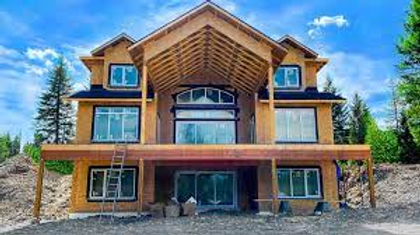
Choosing between a custom home and a pre-built home is one of the most consequential decisions a buyer will make. The two paths differ not only in construction method, but in cost structure, timeline, design flexibility, and long-term value. For buyers who understand these distinctions, the choice becomes a strategic one rather than an emotional one. This article breaks down the key differences to help you make an informed decision.
Defining the Two Categories
Before comparing them, it is important to clarify what each term means, because the housing market often uses these labels loosely.
What Is a Custom Home?
A custom home is designed and built specifically for a buyer on a chosen lot. The buyer typically works with an architect and a builder to define the floor plan, finishes, materials, and systems. Every element—from the footprint of the structure to the placement of electrical outlets—is a deliberate decision.
What Is a Pre-Built Home?
A pre-built home refers to a residence constructed before a specific buyer is involved. This category includes production or tract homes built by developers, speculative (“spec”) homes built for resale, and inventory homes in planned communities. Buyers select from existing designs and available lots, often with limited options for customization.
Design Flexibility and Personalization
The most visible difference between the two options is the degree of control the buyer has over the final product.
- Custom homes offer near-total design freedom. Floor plans can be tailored to lifestyle needs, such as multigenerational living arrangements, home offices, or specialized spaces like workshops and studios.
- Pre-built homes follow established plans. Buyers may choose from a menu of finishes—countertops, flooring, cabinet colors—but structural changes are usually restricted or prohibitively expensive.
- Compromise exists in the form of semi-custom homes, which allow limited modifications to a base plan. Understanding where a builder falls on this spectrum is essential during the selection process.
Cost Structure and Budgeting
Cost is where the two paths diverge most sharply—and where misconceptions are most common.
Custom Home Costs
Custom construction typically carries a higher base cost per square foot due to individualized design, premium materials, and lower economies of scale. Budgets must also account for land acquisition, site work, architectural fees, permits, and contingency reserves. Cost overruns are a known risk, which is why a detailed line-item budget and a reputable builder are critical.
Pre-Built Home Costs
Pre-built homes benefit from volume pricing on materials and streamlined construction schedules, which usually translates to a lower purchase price and more predictable costs. Financing is also simpler, since the home and land are purchased together as a completed asset. However, upgrades and lot premiums can quietly inflate the final price.
| Base price per square foot | Higher | Lower |
| Cost predictability | Moderate; requires contingency | High |
| Land acquisition | Buyer responsibility | Included |
| Upgrade potential | Unlimited | Limited |
Timeline and Construction Process
Time is a decisive factor for many buyers, particularly those working against lease expirations or relocation deadlines.
Location and Lot Selection
Custom buyers must source and purchase land independently, which opens the door to unique settings—acreage, waterfront, or infill lots in established neighborhoods. This freedom comes with due diligence obligations: zoning restrictions, utility access, soil conditions, and easements all require verification before construction begins. Pre-built homes, by contrast, come with the location already determined, which simplifies the process but limits choice to available inventory.
Resale Value and Market Positioning
Both options can appreciate, but they perform differently in resale markets. Custom homes in desirable locations can command premium prices, yet highly personalized features may narrow the pool of future buyers. Pre-built homes in established communities often appeal to a broader audience and benefit from comparable sales data, making valuation more straightforward. Buyers should weigh personal enjoyment against resale liquidity.
Financing Considerations
Financing differs meaningfully between the two paths. Custom construction typically requires a construction loan, which involves draws, inspections, and higher scrutiny, often followed by refinancing into a permanent mortgage. Pre-built homes use conventional purchase financing, a simpler and faster process with more predictable terms. Buyers pursuing custom builds should secure pre-approval early and confirm the lender’s experience with construction lending.
Which Option Fits Your Situation?
There is no universally superior choice—only the choice that aligns with your priorities.
- Choose a custom home if you have a specific vision, a suitable lot or the resources to acquire one, a flexible timeline, and a budget with contingency built in.
- Choose a pre-built home if you value speed, cost certainty, and a defined community, and are comfortable working within an established design.
- Consider semi-custom if you want meaningful personalization without the full complexity of ground-up construction.
Final Thoughts
The decision between custom and pre-built homes ultimately comes down to a trade-off between control and convenience. Custom construction delivers a home tailored precisely to your needs, at the cost of time, money, and management effort. Pre-built homes offer efficiency and predictability, at the cost of design freedom. By evaluating your budget, timeline, and long-term plans against the differences outlined above, you can choose the path that best serves your goals.