
Exterior wall finishes do more than define a building’s aesthetic identity—they are the first line of defense against weather, moisture, and environmental wear. For architects, developers, and property owners, selecting the right finish is a decision that balances durability, maintenance, sustainability, and design intent. As modern architecture evolves toward high-performance envelopes and visually striking facades, the range of available options has expanded considerably. This article examines the most popular exterior wall finishes for contemporary buildings, outlining their characteristics, advantages, and ideal applications.
The Role of Exterior Wall Finishes in Modern Construction
A well-chosen exterior finish serves multiple functions simultaneously. It protects the structural substrate from rain, wind, UV radiation, and freeze-thaw cycles. It contributes to thermal performance and moisture management. And it communicates the building’s character to the surrounding environment. Modern construction standards increasingly demand that finishes meet stringent criteria for fire resistance, energy efficiency, and lifecycle cost—making material selection a strategic rather than purely aesthetic exercise.
Popular Exterior Wall Finish Options
1. Fiber Cement Cladding
Fiber cement has become a dominant choice for modern residential and commercial facades. Composed of cement, sand, and cellulose fibers, it offers the visual warmth of wood without the associated maintenance burden. Panels and planks resist rot, insects, and warping, and are available in a wide range of textures and factory-applied colors.
- Advantages: Dimensional stability, fire resistance, low maintenance, versatile aesthetics
- Considerations: Proper sealing at joints is essential; installation requires trained crews
- Best suited for: Residential developments, mixed-use buildings, contemporary facades
2. High-Pressure Laminate (HPL) Panels
HPL panels deliver a sleek, uniform appearance that aligns with the minimalist language of modern architecture. Resistant to impact, graffiti, and UV fading, they are frequently specified for urban projects where cleanliness and longevity are priorities. Advances in digital printing allow HPL to replicate wood, stone, and metal with remarkable fidelity.
3. Metal Cladding Systems
Aluminum composite panels, zinc, and corten steel remain staples of contemporary design. Metal cladding offers excellent weather resistance, precise tolerances, and a distinctive visual rhythm through joint detailing. Corten steel, in particular, has become an icon of modern civic and cultural architecture due to its weathering patina.
4. Rainscreen Systems
Rainscreen assemblies have become the benchmark for high-performance facades. By separating the cladding from the substrate with a ventilated cavity, these systems manage moisture effectively and improve thermal performance. They accommodate a variety of panel materials, including fiber cement, HPL, and terracotta.
5. Exterior Insulation and Finish Systems (EIFS)
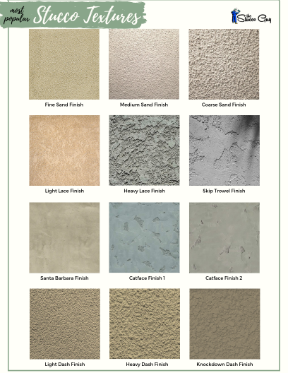
EIFS provide continuous insulation with a seamless, textured finish. Modern formulations include drainage planes and water-resistive barriers that address historical moisture concerns. The system is valued for its energy performance and design flexibility.
6. Natural Stone and Brick
Traditional materials remain relevant in modern construction, often deployed in thinner veneer formats. Stone and brick convey permanence and craftsmanship, and their thermal mass contributes to passive performance strategies.
Comparison of Popular Exterior Wall Finishes
| Fiber Cement | High | Low | Moderate | Residential and mixed-use |
| HPL Panels | High | Very Low | Moderate to High | Urban commercial facades |
| Metal Cladding | Very High | Low | Moderate to High | Civic and cultural buildings |
| Rainscreen Systems | Very High | Low | High | High-performance envelopes |
| EIFS | Moderate to High | Low | Low to Moderate | Energy-focused projects |
| Stone and Brick Veneer | Very High | Low | High | Premium and heritage contexts |
Key Selection Criteria
Specifiers should evaluate exterior finishes against a structured set of criteria:
Emerging Trends
Several developments are shaping the future of exterior wall finishes. Prefabricated facade modules are accelerating construction schedules while improving quality control. Photovoltaic cladding is converting facades into energy-generating assets. And bio-based materials, including engineered timber and recycled composites, are gaining traction as the industry pursues decarbonization targets.
Conclusion
Selecting an exterior wall finish is a decision with long-term consequences for performance, cost, and appearance. Modern buildings benefit from a mature and diverse market of options—from fiber cement and HPL to rainscreens and metal systems—each with distinct strengths. By aligning material choice with climate realities, code requirements, and design objectives, project teams can deliver facades that are as resilient as they are distinctive.