
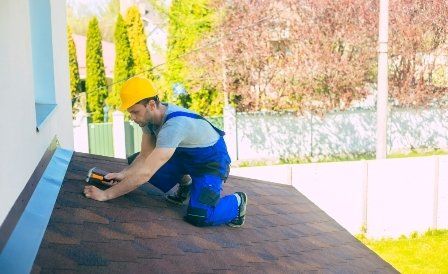
A roof is one of the most significant investments a property owner will ever make. It shields the structure from rain, wind, snow, and ultraviolet radiation while contributing directly to energy efficiency and curb appeal. Yet, despite its critical role, roofing systems are frequently neglected until a leak demands urgent attention. Proactive maintenance is the single most effective strategy for protecting this asset, preventing costly structural damage, and maximizing the return on investment over decades of service. This guide outlines a professional, systematic approach to roof care.
Why Roof Maintenance Matters
Roofs deteriorate gradually. Small issues, such as a lifted shingle or a clogged gutter, escalate into water intrusion, insulation saturation, and mold growth if left unaddressed. According to industry data, neglected roofs can lose years of usable life, and emergency repairs typically cost several times more than routine upkeep. A disciplined maintenance program preserves the roof’s weathertight integrity, upholds manufacturer warranty terms, and protects the interior environment of the building.
Establish a Seasonal Inspection Routine
Consistency is the foundation of effective roof maintenance. Inspect the roof at least twice per year, ideally in spring and autumn, and always after major storms.
What to Examine During an Inspection
- Shingles and tiles: Look for cracked, curling, blistering, or missing units, and check for exposed fasteners.
- Flashing: Verify that metal flashing around chimneys, skylights, vents, and valleys remains sealed and free of corrosion.
- Gutters and downspouts: Confirm that drainage channels are clear of debris and securely attached.
- Roof penetrations: Inspect boots and seals around pipes and HVAC equipment for cracking or deterioration.
- Attic and ceiling: From inside, check for water stains, daylight, and damp insulation, which often reveal leaks before they become visible outside.
Safety First
Roof inspections involve genuine risk. Homeowners should perform ground-level visual checks with binoculars and delegate any climb onto the roof to a qualified professional. Steep pitches, fragile materials, and wet surfaces demand experienced handling and proper safety equipment.
Keep Gutters and Drainage Clear
Water is the roof’s most persistent adversary, and poor drainage accelerates deterioration. Clean gutters and downspouts at least twice annually, and more often if the property is surrounded by mature trees. Confirm that downspouts discharge water well away from the foundation. In colder climates, ensure that attic ventilation and insulation are balanced to prevent ice dams, which force meltwater beneath shingles and into the structure.
Address Minor Repairs Promptly
Deferred maintenance compounds. A single loose shingle can allow wind-driven rain to saturate the decking beneath it, and a cracked flashing seal can admit water for months before a stain appears on the ceiling. Schedule repairs as soon as defects are identified, and insist on materials that match the existing roofing system to preserve warranty coverage and aesthetic consistency.
Manage Vegetation and Debris
Trees and landscaping enrich a property but can undermine a roof. Trim overhanging branches to prevent abrasion, keep leaves and needles off the roof surface, and remove moss and algae growth, which trap moisture and shorten the life of asphalt shingles. In shaded areas, consider professional soft-washing treatments rather than aggressive pressure washing, which can damage granules and seals.
Schedule Professional Maintenance
An annual professional inspection complements owner vigilance. Certified roofers can identify subtle defects, document the roof’s condition, perform preventive sealing, and advise on the remaining service life of the system. Many manufacturers require documented professional maintenance to keep warranties valid, making this step both a practical and a contractual necessity.
Recommended Maintenance Calendar
| Spring | Inspect for winter damage; clear gutters; check flashing | Annual |
| Summer | Trim overhanging branches; treat moss and algae | As needed |
| Autumn | Remove leaves and debris; verify drainage before winter | Annual |
| Winter | Monitor for ice dams; remove heavy snow safely | As needed |
| After storms | Document and repair damage promptly | Event-based |
Know When to Replace Rather Than Repair
Maintenance extends lifespan, but it cannot reverse age. When repairs become frequent, granules accumulate in gutters, or the roof approaches the end of its rated service life, replacement is the more economical decision. Planning a replacement on your own schedule avoids emergency costs and allows time to select materials suited to the climate and architecture of the property.
Conclusion
Roof longevity is not a matter of luck; it is the predictable result of disciplined care. By inspecting seasonally, maintaining drainage, repairing defects promptly, controlling vegetation, and engaging qualified professionals, property owners can add years to a roof’s service life and avoid the expense and disruption of premature failure. Treat the roof as the critical building envelope it is, and it will protect the structure beneath it for decades to come.