
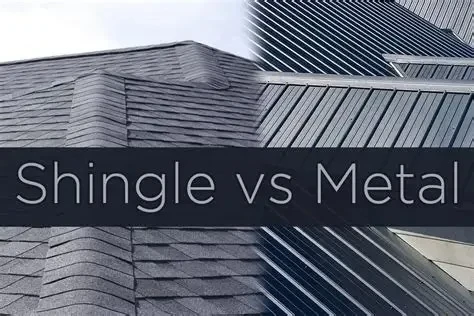
Choosing a roofing material is one of the most consequential decisions a property owner will make. The roof protects the entire structure beneath it, influences energy performance, and shapes the building’s visual identity for decades. In the residential and commercial markets, two contenders dominate the conversation: metal roofing and asphalt shingles. Each has a loyal following, and each comes with distinct advantages and trade-offs. This analysis breaks down the key differences so you can make an informed, data-driven choice.
Lifespan and Durability
The most striking difference between the two materials is longevity. Asphalt shingles, the most common roofing material in North America, typically last 15 to 25 years depending on climate and product grade. Premium architectural shingles can stretch toward 30 years, but harsh sun, hail, and freeze-thaw cycles accelerate wear.
Metal roofing, by contrast, is built for the long haul. A properly installed metal roof can last 40 to 70 years or more, with some systems backed by warranties of 50 years. Metal resists fire, rot, insects, and mold, and it does not lose structural integrity under snow loads. For property owners planning to stay in place, the lifecycle math overwhelmingly favors metal.
Cost: Upfront vs. Long-Term
Asphalt shingles win the upfront price battle. A typical asphalt roof costs roughly $4 to $8 per square foot installed, while metal roofing runs $8 to $16 per square foot or higher for standing-seam systems. That sticker shock stops many buyers in their tracks.
However, cost analysis should extend beyond the invoice. Because metal lasts two to three times longer, its annualized cost is often comparable to or lower than asphalt. Add potential energy savings and reduced maintenance, and the total cost of ownership shifts. The table below summarizes the comparison.
| Typical lifespan | 40–70+ years | 15–25 years |
| Installed cost (per sq. ft.) | $8–$16+ | $4–$8 |
| Energy efficiency | High (reflective coatings) | Moderate |
| Maintenance | Low | Moderate |
| Weight | Light | Heavy |
| Fire resistance | Class A (non-combustible) | Class A available |
Energy Efficiency and Sustainability
Metal roofs reflect solar radiation rather than absorb it, particularly when finished with cool-roof coatings that meet ENERGY STAR standards. This can reduce cooling costs by 10 to 25 percent in hot climates. Metal is also fully recyclable at end of life, and many products contain significant recycled content.
Asphalt shingles absorb more heat and are petroleum-based. While recyclability programs exist, the vast majority of torn-off shingles end up in landfills—roughly 13 million tons annually in the United States alone. For sustainability-minded buyers, metal holds a clear edge.
Weight, Installation, and Structural Impact
Asphalt shingles are heavy, adding substantial load to a roof deck, and multiple re-roofs can require structural reinforcement. Metal is significantly lighter, which makes it suitable for retrofits over existing roofs and reduces stress on the framing. Installation, however, is more specialized: metal requires experienced crews, while asphalt shingles are widely installed by general roofing contractors.
Aesthetics and Noise
Asphalt shingles offer a familiar, traditional look with a broad range of colors and architectural profiles at low cost. Metal has historically carried an industrial reputation, but modern stamped and standing-seam systems now mimic slate, tile, and wood shakes convincingly. On noise, the old myth that metal roofs are loud is largely outdated—proper decking and insulation render metal as quiet as any other roof.
The Verdict
There is no universal winner. Choose asphalt shingles if budget is the primary constraint or if you plan to sell within a decade. Choose metal roofing if you value longevity, energy performance, low maintenance, and sustainability—and can absorb the higher upfront investment. For most long-term property owners, metal delivers superior value over the life of the structure.