
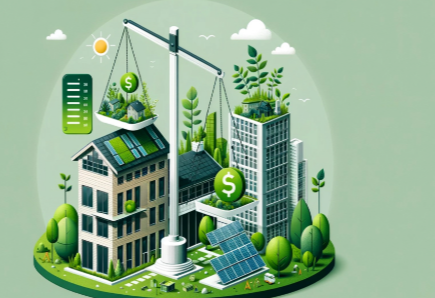
In an era defined by climate accountability and rising energy costs, sustainability has shifted from a niche preference to a core requirement in residential construction. Homeowners, developers, and builders now recognize that sustainable building practices deliver long-term value, operational savings, and measurable environmental benefits. This article outlines the most impactful strategies for integrating sustainability into residential projects, from site selection to post-occupancy performance.
Why Sustainability Matters in Residential Construction
Residential buildings account for a substantial share of global energy consumption and carbon emissions. According to widely cited industry data, the built environment contributes nearly 40 percent of annual global greenhouse gas emissions, with residential structures representing a significant portion of that figure. Sustainable building practices address this challenge directly by reducing operational energy demand, minimizing embodied carbon, and improving occupant health.
Beyond environmental responsibility, sustainability offers compelling economic advantages:
- Lower operating costs through energy-efficient systems and building envelopes
- Higher property values and stronger resale appeal in competitive markets
- Regulatory readiness as building codes increasingly mandate efficiency standards
- Improved occupant comfort, indoor air quality, and long-term durability
Site Selection and Orientation
Sustainability begins before the first foundation is poured. Careful site selection and building orientation can dramatically reduce a home’s energy demand over its lifecycle.
Passive Design Fundamentals
Orienting a home to maximize natural daylight and capture prevailing breezes reduces reliance on artificial lighting and mechanical cooling. In temperate climates, south-facing glazing with appropriate overhangs enables passive solar heating in winter while shading summer sun. Proper site drainage, preservation of existing vegetation, and minimal disruption to natural topography further reduce environmental impact.
Brownfield and Infill Development
Prioritizing infill sites and previously developed land conserves greenfield areas, leverages existing infrastructure, and reduces transportation-related emissions. Builders should conduct Phase I environmental assessments on any site with prior industrial use.
High-Performance Building Envelope
The building envelope is the single most influential factor in a home’s energy performance. A well-designed envelope minimizes thermal bridging, controls moisture, and maintains airtightness.
Insulation and Airtightness
Advanced framing techniques, continuous exterior insulation, and high-performance window systems reduce heat loss and gain. Blower door testing verifies airtightness targets, typically measured in air changes per hour (ACH). Many leading programs target 3.0 ACH50 or lower for residential projects.
Thermal Bridging Mitigation
Structural elements that penetrate the insulation layer create thermal bridges that undermine envelope performance. Designers should specify thermal breaks at balconies, slab edges, and framing intersections to maintain envelope integrity.
Energy-Efficient Systems and Renewable Integration
Mechanical systems should be sized to match the reduced loads achieved through envelope improvements. Right-sizing prevents unnecessary capital expenditure and improves system performance.
| HVAC | Variable refrigerant flow or high-efficiency heat pumps | 30–50% reduction in heating and cooling energy |
| Water Heating | Heat pump water heaters | Up to 60% lower water heating energy |
| Ventilation | Energy recovery ventilators (ERVs) | Improved indoor air quality with minimal energy penalty |
| On-site Renewables | Rooftop photovoltaic arrays | Reduced grid dependence and utility costs |
Battery storage paired with photovoltaic systems enhances resilience and allows homeowners to shift solar generation to evening peak demand periods.
Water Conservation Strategies
Water efficiency is an often-overlooked pillar of residential sustainability. Low-flow fixtures, dual-flush toilets, and demand-controlled hot water distribution systems reduce consumption without compromising performance. Rainwater harvesting and greywater reuse systems can supply irrigation and non-potable demands, particularly valuable in water-stressed regions.
Landscape design plays a complementary role. Native and drought-tolerant plantings, permeable paving, and rain gardens manage stormwater on site while reducing irrigation requirements.
Material Selection and Embodied Carbon
As operational energy efficiency improves, embodied carbon—the emissions associated with material extraction, manufacturing, and transport—becomes an increasingly significant share of a home’s total carbon footprint.
Low-Impact Materials
- Recycled and reclaimed content: Specify steel with high recycled content and reclaimed timber where structurally appropriate
- Low-carbon concrete mixes: Supplementary cementitious materials such as fly ash and slag reduce cement demand
- Responsibly sourced timber: Certified wood products sequester carbon and support sustainable forestry
- Locally manufactured products: Reduced transport distances lower associated emissions
Durability as a Sustainability Strategy
Durable materials reduce replacement cycles and lifecycle costs. Specifying moisture-resistant assemblies, corrosion-resistant fasteners, and proven detailing extends service life and reduces long-term resource consumption.
Indoor Environmental Quality
Sustainable homes must protect occupant health as rigorously as they protect the environment. Low-VOC paints, adhesives, and finishes reduce exposure to harmful compounds. Mechanical ventilation with filtration removes particulate matter and maintains healthy humidity levels. Design choices that maximize daylight and provide access to views support occupant well-being and productivity.
Certification and Verification
Third-party certification programs provide objective validation of sustainability performance and often improve marketability. Common residential standards include:
Conclusion
Sustainable building practices are no longer optional for residential projects that aim to remain competitive and responsible. From passive design and high-performance envelopes to renewable energy integration and low-carbon materials, each decision compounds over a home’s lifecycle. Builders and developers who embed sustainability into their standard workflows—rather than treating it as a premium add-on—deliver homes that are more comfortable, more affordable to operate, and more resilient in a changing climate. The most effective strategy is to assemble an integrated project team early, set measurable performance targets, and verify outcomes through commissioning and third-party certification.