
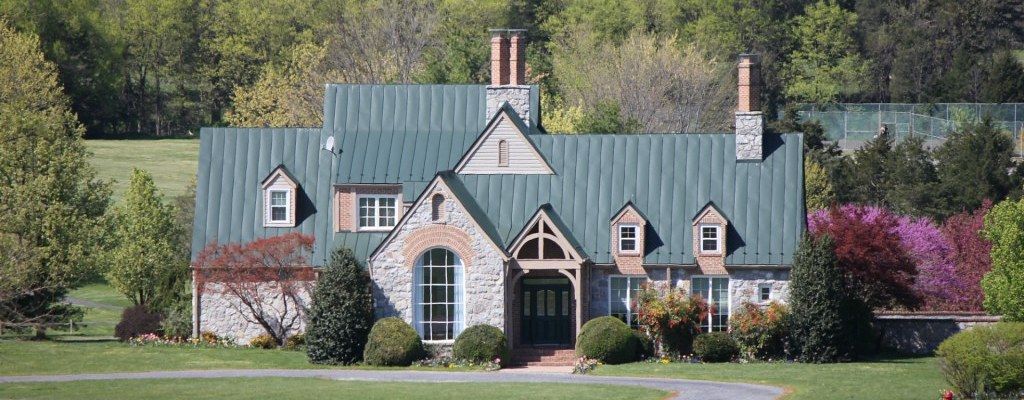
Your roof is the first line of defense between your home and the elements. Yet many property owners treat roofing material selection as a purely aesthetic decision. In reality, weather conditions are among the most consequential factors shaping how a roof performs over its lifespan. From the relentless UV exposure of sunny climates to the freeze-thaw cycles of colder regions, each material responds differently to environmental stress. Understanding these interactions is essential for anyone specifying, installing, or maintaining a roofing system.
The Core Weather Stressors That Impact Roofing
Before examining individual materials, it helps to categorize the environmental forces that degrade roofs over time.
- Solar radiation (UV exposure): Ultraviolet light breaks down molecular bonds in many roofing materials, causing fading, embrittlement, and premature aging.
- Thermal cycling: Repeated expansion and contraction as temperatures rise and fall can create micro-cracks and stress seams.
- Moisture and precipitation: Rain, snow, and ice challenge waterproofing integrity and can accelerate rot, corrosion, and mold growth.
- Wind loading: High winds lift, tear, and abrade roofing surfaces, particularly at edges and fastening points.
- Freeze-thaw cycles: Water infiltrates small gaps, freezes, expands, and widens those gaps with every cycle.
No single material excels against every stressor. The optimal choice depends on the dominant weather patterns of a given region.
How Specific Materials Respond to Weather
Asphalt Shingles
Asphalt shingles dominate the residential market, and for good reason: they offer a favorable balance of cost and performance. However, they are notably sensitive to temperature extremes. In hot climates, prolonged UV exposure causes the asphalt layer to dry out and crack, while granules loosen and wash away, reducing reflectivity and protection. In cold climates, shingles become brittle and are more susceptible to wind and impact damage. Architectural shingles generally outperform standard three-tab products in both scenarios due to their greater thickness and heavier granule coverage.
Metal Roofing
Metal is among the most weather-resilient options available. It reflects solar radiation effectively, sheds snow readily, and resists wind uplift when properly fastened. Coastal environments introduce a caveat: salt-laden air accelerates corrosion, making material selection critical. Galvanized steel and aluminum perform well, but homeowners in marine climates should prioritize finishes with high corrosion resistance, such as PVDF coatings. Thermal expansion is another consideration—metal expands and contracts significantly, so fastening systems must accommodate movement to prevent loosening over time.
Clay and Concrete Tile
Tile roofing offers exceptional longevity and inherent fire resistance. Clay tiles perform admirably in hot, dry climates and resist UV degradation almost indefinitely. However, they are heavy and brittle—hail can crack them, and freeze-thaw cycles can cause spalling if tiles are not properly rated for cold weather. Concrete tiles share similar characteristics but vary widely in quality; those with sealed finishes resist moisture penetration better than unsealed alternatives.
Wood Shakes and Shingles
Wood roofing provides natural insulation and aesthetic appeal but demands the most maintenance. In wet climates, untreated wood is vulnerable to rot, fungal growth, and insect infestation. In dry climates, it presents fire risk. Regular treatment and vigilant inspection are non-negotiable for wood roofs in any environment.
Slate
Slate is extraordinarily durable and chemically inert, resisting UV, moisture, and temperature fluctuation better than nearly any alternative. Its primary vulnerabilities are impact damage—particularly from hail—and the need for skilled installation. In regions with frequent severe hailstorms, slate may not be the most practical choice despite its longevity.
Regional Weather Profiles and Material Recommendations
The table below summarizes how dominant weather patterns align with material performance.
| Hot and arid | UV radiation, thermal cycling | Clay tile, metal, concrete tile | Untreated wood, thin asphalt shingles |
| Cold and snowy | Freeze-thaw, snow load, ice damming | Metal, architectural asphalt shingles, slate | Standard asphalt shingles, clay tile (if not frost-rated) |
| Coastal and humid | Salt corrosion, moisture, wind | Aluminum or coated steel, high-grade concrete tile | Uncoated steel, wood |
| Storm-prone (hail, wind) | Impact, uplift | Impact-rated asphalt shingles, metal | Clay tile, slate, wood shakes |
Practical Takeaways for Property Owners
Conclusion
Weather is not a background variable in roofing performance—it is the defining variable. Every material carries a distinct profile of strengths and vulnerabilities, and the smartest roofing decisions begin with a clear-eyed assessment of the climate the roof must endure. By aligning material selection with environmental realities and committing to disciplined maintenance, property owners can maximize roof lifespan, protect their investment, and avoid the costly consequences of weather-driven failure.