
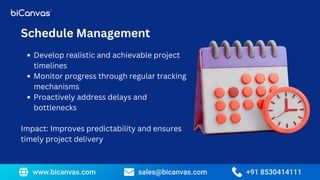
In the construction industry, efficiency is not a luxury—it is a competitive necessity. Projects are complex, budgets are tight, and timelines are unforgiving. Every delay, miscommunication, or resource shortfall compounds costs and erodes margins. This is why construction project management has evolved from a back-office function into a strategic discipline that directly determines whether a project succeeds or stalls. By applying structured planning, disciplined coordination, and data-driven oversight, construction project management transforms fragmented workflows into streamlined operations. The result is measurable gains in productivity, cost control, and delivery certainty.
The Core Efficiency Challenge in Construction
Construction projects are inherently fragmented. Architects, engineers, general contractors, subcontractors, suppliers, and clients all contribute to the same outcome, yet they often operate on different schedules, systems, and priorities. Without a unifying management framework, this fragmentation produces predictable inefficiencies:
- Rework and errors caused by unclear specifications or misaligned teams
- Idle labor and equipment waiting on materials, approvals, or preceding trades
- Budget overruns from unmanaged change orders and poor cost visibility
- Schedule slippage driven by unresolved dependencies and reactive decision-making
Construction project management addresses these failure points at their source by establishing a single source of truth, clear accountability, and proactive control mechanisms across the entire project lifecycle.
Key Ways Project Management Drives Efficiency
1. Structured Planning Reduces Uncertainty
Efficiency begins before the first shovel hits the ground. Professional project management imposes rigorous planning disciplines—work breakdown structures, critical path scheduling, and resource-loaded timelines—that expose risks and dependencies early. When every task, milestone, and deliverable is defined in advance, teams spend less time reacting to surprises and more time executing. Front-loaded planning consistently reduces schedule variance and prevents the costly scramble that characterizes poorly managed projects.
2. Centralized Communication Eliminates Information Silos
Miscommunication is one of the most expensive inefficiencies in construction. A single missed RFI or outdated drawing can trigger rework worth tens of thousands of dollars. Project management platforms and protocols centralize documentation, track decisions, and route information to the right stakeholders at the right time. When everyone works from the same current data, coordination improves, disputes decrease, and decisions are made faster.
3. Real-Time Cost Control Protects Margins
Efficiency is measured in dollars as much as days. Construction project management introduces continuous cost tracking against budget, early warning systems for variances, and disciplined change order management. Rather than discovering overruns at project closeout, managers can intervene while corrective action is still inexpensive. This visibility allows informed trade-offs and keeps financial performance aligned with projections.
4. Optimized Resource Allocation Maximizes Productivity
Labor, equipment, and materials are the three largest cost drivers on any site. Project management ensures these resources are scheduled and deployed based on actual project needs rather than guesswork. Resource leveling prevents the boom-and-bust cycles that inflate costs, while material procurement planning reduces storage costs and delays. The outcome is a steady, predictable workflow with minimal downtime.
5. Risk Management Prevents Costly Disruptions
Effective project managers identify, assess, and mitigate risks before they materialize. Risk registers, contingency planning, and regular review cycles transform risk from an unpredictable threat into a managed variable. This proactive posture protects schedules and budgets from the disruptions that routinely derail unmanaged projects.
6. Quality Assurance Reduces Rework
Rework is among the largest sources of waste in construction. Structured quality management—inspection checklists, hold points, and sign-off protocols—catches defects early, when correction is inexpensive. Fewer defects mean fewer schedule interruptions, lower costs, and higher client satisfaction.
Efficiency Gains at a Glance
| Planning | Reactive, ad hoc scheduling | Critical path and resource-loaded plans | Fewer delays |
| Communication | Fragmented emails and verbal updates | Centralized documentation and workflows | Reduced rework |
| Cost Control | Periodic retrospective reporting | Real-time budget tracking | Protected margins |
| Resource Management | Reactive deployment | Scheduled leveling and procurement | Higher productivity |
| Risk and Quality | Issues addressed after occurrence | Proactive registers and inspections | Fewer disruptions |
The Compounding Value of Efficiency
Efficiency gains in construction are not isolated victories—they compound. A well-managed schedule reduces idle time, which lowers labor costs, which preserves budget for contingencies, which in turn reduces schedule pressure. Each improvement reinforces the next. Over successive projects, organizations that invest in disciplined project management build a reputation for reliability that wins bids, retains talent, and strengthens client relationships.
Moreover, modern project management is increasingly supported by digital tools—Building Information Modeling, cloud-based collaboration platforms, and analytics dashboards—that amplify these gains. Managers who leverage technology alongside proven methodology can monitor progress in near real time, forecast deviations, and make decisions with confidence rather than conjecture.
Conclusion
Construction project management is not administrative overhead; it is the operating system that makes efficiency possible. By imposing structure on complexity, centralizing information, controlling costs in real time, optimizing resources, and managing risk proactively, it converts chaotic workflows into predictable, high-performing operations. For firms operating in a market defined by tight margins and rising client expectations, mastering construction project management is the most reliable path to delivering projects faster, leaner, and more profitably.